
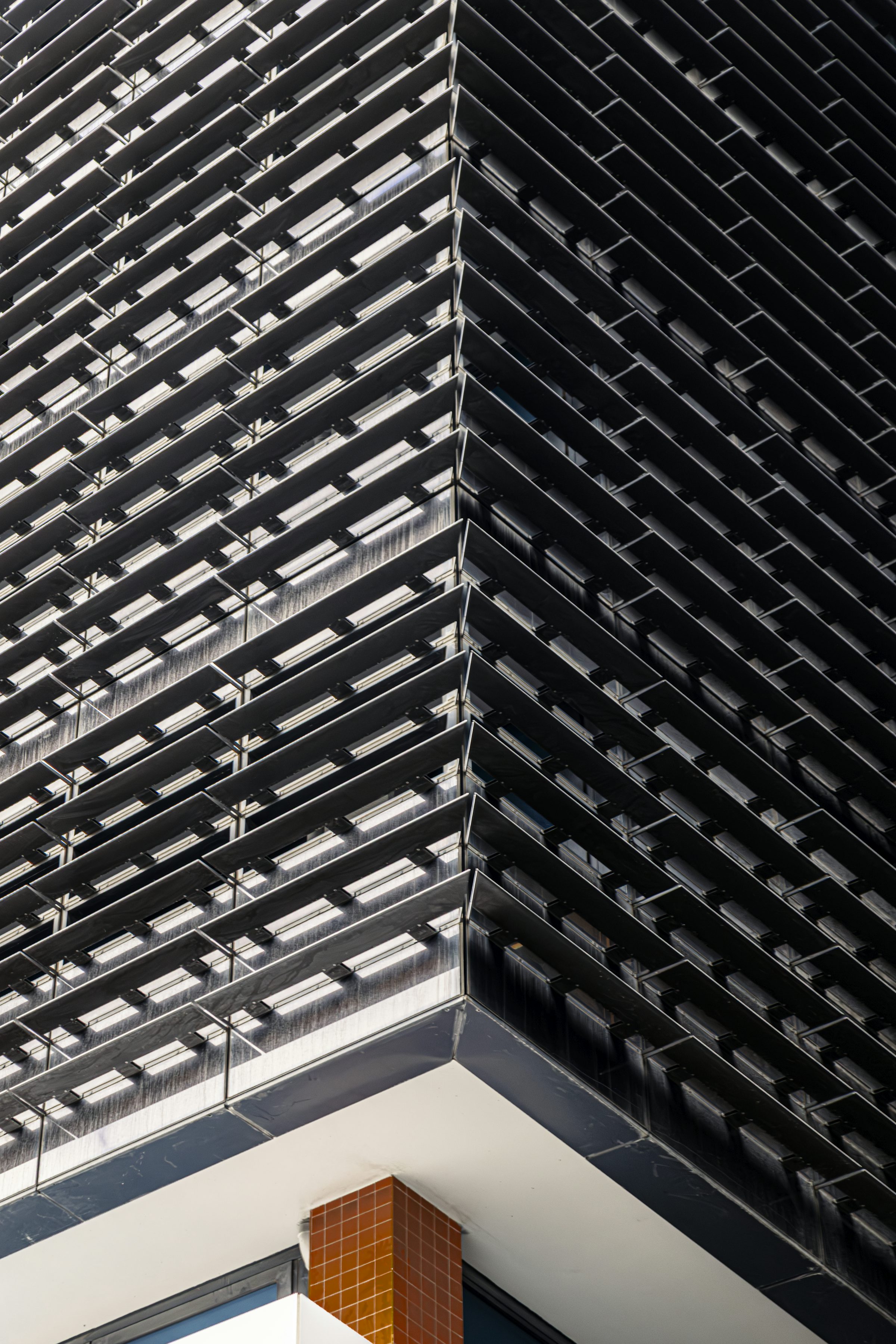
Sydney’s residential market is often discussed in terms of extremes. At one end, there are detached houses that remain difficult for many buyers to access. At the other, there are high-density tower projects that can involve more complexity, more layers of approval, and a very different buyer proposition. Between those two sits the mid-rise residential project, and it remains one of the most important formats in many of Sydney’s growth corridors.
Mid-rise development can work well because it often aligns with the way many suburbs are already evolving. It can add meaningful housing supply without relying on the scale, infrastructure pressure, and design challenges that come with much taller forms of development. In practical terms, that means these projects can be more compatible with established streetscapes while still supporting population growth and housing choice.
For buyers and investors, mid-rise projects can also be easier to understand. The product mix is often clearer, the scale feels more manageable, and the development tends to sit closer to the everyday reality of how people want to live. Access to transport, local retail, schools, and open space still matters enormously, but the overall project character can feel more grounded and more residential in the traditional sense.
From a delivery perspective, mid-rise formats can sometimes present a more workable path than highly complex high-rise construction. That does not make them simple, but it can mean fewer layers of technical and commercial risk in the right locations. For project teams, that matters. For buyers, it matters as well, because delivery discipline has a direct effect on confidence, timing, and the overall ownership experience.
There is also a broader planning reason these projects continue to matter. Many Sydney suburbs need additional housing, but they also need forms of development that can be absorbed into the local environment without feeling disconnected from the neighbourhood around them. Mid-rise housing, when done well, can offer that balance.
The key point is not that every suburb needs the same product. It is that Australia’s housing conversation increasingly needs practical formats that sit between the old low-density model and the most intense forms of apartment development. In that conversation, well-located mid-rise residential projects will continue to matter for a long time yet.